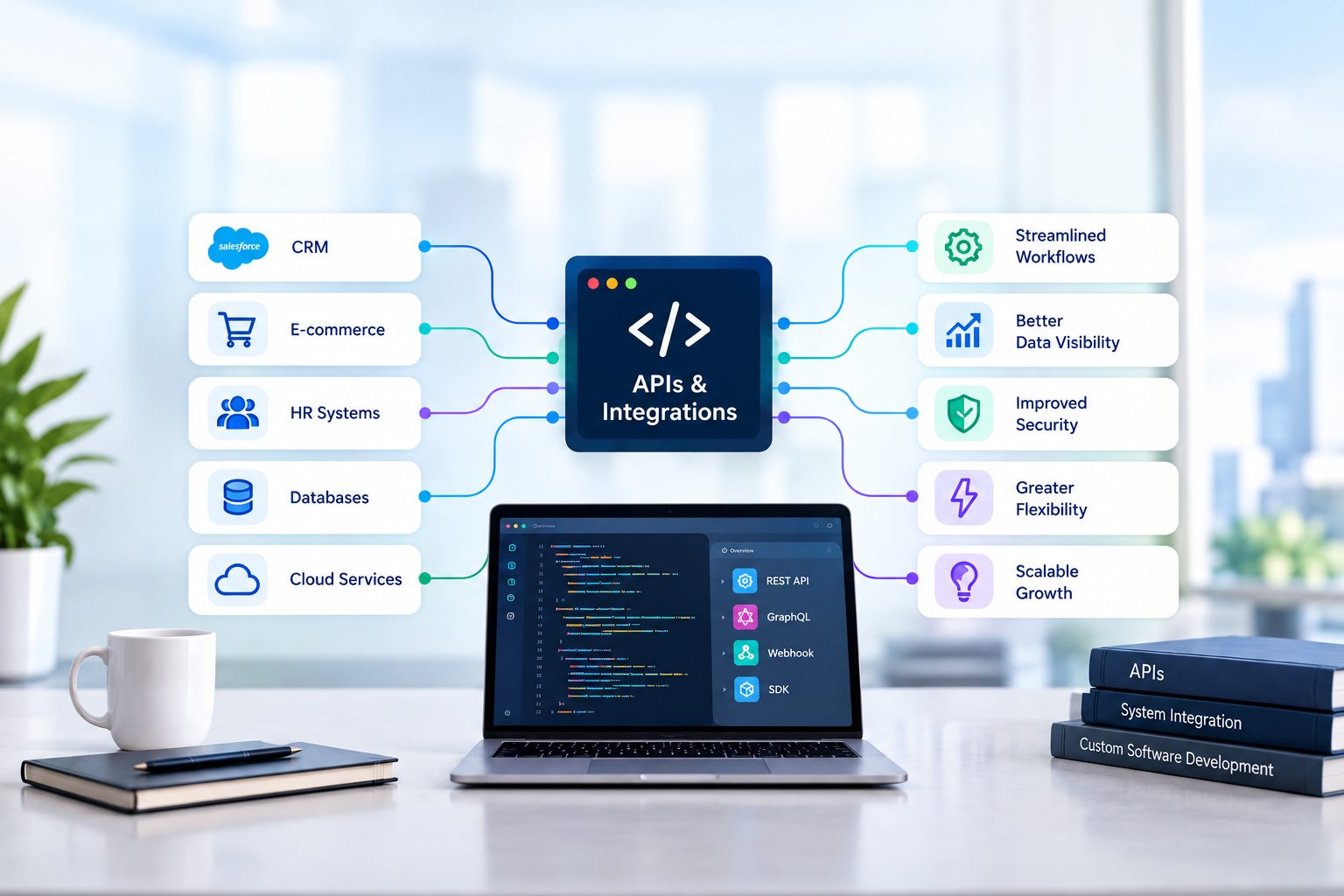
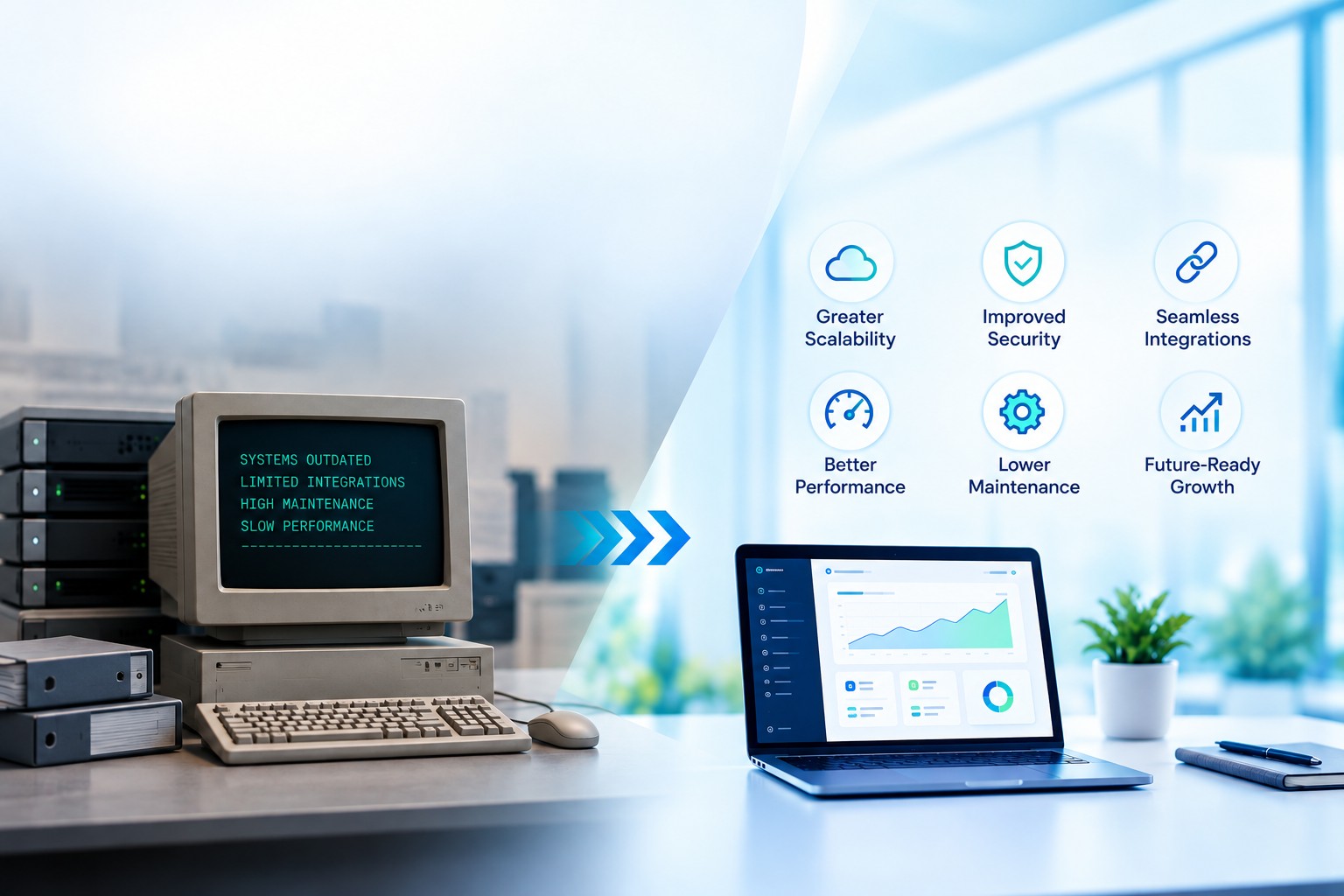
Modern businesses use multiple applications to manage operations such as sales, finance, customer service, inventory, and marketing. However, when these systems work separately, companies often face communication gaps, data errors, and workflow delays. This is where Celigo NetSuite Integration becomes valuable for creating a connected and efficient business environment.
By integrating NetSuite with other business applications, organizations can automate workflows, improve data accuracy, and streamline operations. Businesses also rely on professional Celigo Integrations to connect cloud platforms, eCommerce tools, CRM systems, and third-party applications into one centralized ecosystem. A well-planned integration strategy helps organizations improve productivity, reduce manual work, and create a smoother operational process across departments.
What Is Celigo NetSuite Integration?
Celigo NetSuite Integration is a process that connects NetSuite ERP with other business applications using Celigo's cloud-based integration platform. Celigo provides pre-built connectors and automation tools that simplify data exchange between systems.
Businesses commonly integrate NetSuite with:
-
CRM platforms
-
eCommerce systems
-
Marketing tools
-
Payment gateways
-
Inventory management software
-
Customer support applications
The main goal of NetSuite Integration is to ensure seamless communication between systems while reducing manual processes and operational inefficiencies. Celigo uses automation and real-time data synchronization to help businesses manage information accurately across multiple platforms. This allows organizations to operate more efficiently and make faster business decisions.
Why Businesses Need a Unified Business Ecosystem
Modern enterprises rely on large amounts of data and multiple software applications. Without proper integration, businesses often experience disconnected workflows and inconsistent information. A unified business ecosystem helps organizations centralize operations and improve collaboration between departments.
Improved Data Accuracy
One of the biggest advantages of Celigo NetSuite Integration is better data accuracy. Manual data entry often leads to duplicate records and errors. Integration automates data transfer between systems, reducing mistakes and improving consistency. Accurate information helps businesses make better strategic decisions and improve operational performance.
Better Workflow Automation
Businesses spend significant time managing repetitive tasks such as updating records, processing orders, and transferring customer information. Professional Celigo Integrations automate these processes, reducing manual effort and improving efficiency. Employees can focus more on strategic activities instead of handling repetitive operational tasks.
Real-Time Business Visibility
A unified ecosystem provides real-time visibility into business operations. Teams can access updated information from multiple systems in one place. This helps management monitor performance, track sales, manage inventory, and improve customer service more effectively.
Improved Customer Experience
Disconnected systems can slow down customer support and order processing. Integrated platforms ensure customer data is synchronized across all applications. This allows businesses to respond faster, provide personalized experiences, and improve customer satisfaction.
Scalability for Business Growth
As businesses grow, they often add new applications and workflows. A properly implemented Celigo NetSuite Integration supports scalability by allowing organizations to connect additional systems without rebuilding their infrastructure. This flexibility helps businesses adapt to changing operational requirements efficiently.
Related Read: How Integration Platforms Reduce Operational Costs
Best Practices for Successful NetSuite Integration
A successful integration project requires careful planning and execution. Following best practices helps businesses maximize the value of their integration investment.
Define Clear Business Objectives
Before starting the integration process, businesses should clearly identify their goals. These goals may include workflow automation, data synchronization, improved reporting, or better customer management. Clear objectives help guide the integration strategy and ensure successful implementation.
Analyze Existing Systems
Organizations should evaluate their current systems, workflows, and operational challenges before integration. This analysis helps identify:
-
Data flow requirements
-
System compatibility
-
Workflow inefficiencies
-
Security and compliance needs
Understanding these factors ensures smoother implementation and fewer technical issues during the NetSuite integration process.
Focus on Data Quality
Integration success depends heavily on clean and accurate data. Businesses should remove duplicate or outdated records before connecting systems. Maintaining high-quality data improves synchronization accuracy and prevents operational problems later.
Use Automation Strategically
Automation should focus on processes that consume the most time and resources. This includes order processing, reporting, inventory updates, and customer data management. Professional Celigo Integrations help businesses automate workflows efficiently while maintaining operational control.
Monitor and Optimize Continuously
Integration is not a one-time process. Businesses should continuously monitor system performance and identify improvement opportunities. Regular optimization ensures integrations continue supporting operational efficiency as business needs evolve.
Also Read: Why Continuous System Monitoring Matters for Business Growth
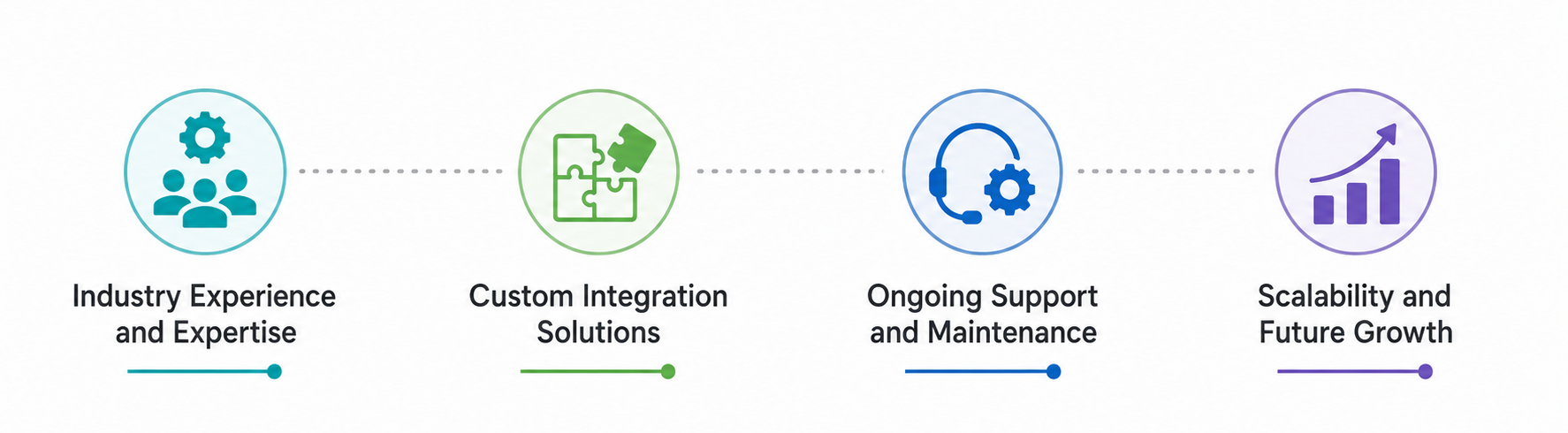
Choosing the Right Celigo Integration Services Partner
Selecting the right implementation partner is critical for integration success. Experienced providers understand technical requirements and can build customized solutions based on business goals.
Industry Experience and Expertise
Businesses should choose partners with proven experience in Celigo NetSuite Integration projects. Experienced teams understand integration challenges and can reduce implementation risks. Technical expertise also ensures faster deployment and better long-term performance.
Custom Integration Solutions
Every organization has unique workflows and operational requirements. A reliable provider should offer customized integration strategies instead of one-size-fits-all solutions. Tailored integrations help businesses achieve better efficiency and scalability, similar to how custom ERP implementations are built around specific business processes.
Ongoing Support and Maintenance
Integration systems require continuous monitoring and support. Choosing a provider that offers long-term maintenance and optimization services is important for maintaining performance. Professional support helps businesses resolve issues quickly and avoid operational disruptions.
Scalability and Future Growth
Businesses should work with partners who can support future expansion and additional integrations. Scalable cloud solutions make it easier to add new systems and workflows as the company grows, ensuring long-term operational flexibility.
Conclusion
Modern businesses need connected systems to improve efficiency, productivity, and customer experiences. Celigo NetSuite Integration helps organizations create a unified business ecosystem by connecting applications, automating workflows, and improving data accuracy.
With professional Celigo Integrations, businesses can reduce manual work, improve visibility, and support long-term growth through scalable integration solutions. By following best practices and choosing the right integration partner like Closeloop, organizations can maximize the value of their integration strategy and build a more connected, efficient, and future-ready business environment.
Author

Swetha GP

VP of Delivery
She is a VP of Delivery at Closeloop. A communicator, business analyst, and engineering aficionado. Besides handling client relations, and engineering duties, she loves to pour her thoughts on paper. She writes about engineering, technologies, frameworks, and everything related to the software domain. She reads, spends time with family, and enjoys a good walk in nature in her free time. Her dream destination is Greece.
Frequently Asked Questions
Ready to transform your business with custom software solutions? Connect with our experts to discuss your requirements and explore the best approach for your organization. For any queries, reach out to sales@closeloop.com
Stay abreast of what's trending in the world of technology
When Standard NetSuite Workflows Fall Short: Implementation, Integration, and Customization...
NetSuite is one of the most capable cloud ERP platforms available, but no out-of-the-box...

From Business Bottlenecks to Digital Products: How to Evaluate Software Development Partners in the...
Every growing business eventually hits a wall. Spreadsheets multiply, teams re-enter the same...

The Hidden Cost of Disconnected Logistics Systems: A Software Architecture Approach to End-to-End...
A shipment leaves the warehouse on time, yet the customer calls twice asking where it is....
The Role of APIs and Integrations in Modern Custom Software Development
No application works alone anymore. Your CRM talks to your billing tool, your mobile app...