Feature Ideation & Product Discovery Services
Identify, validate, and prioritize the features that will create real value for your users and business, including where AI can unlock capabilities that were not previously possible.
Consult Our ExpertsFind the Features Worth Building
Great product ideas are not about generating the longest feature list. They are about identifying which capabilities solve meaningful user problems, strengthen the product, and justify the engineering investment.
We combine product discovery, market analysis, user needs, business priorities, and technical feasibility to identify and prioritize features with the strongest potential.
AI-powered ideas increasingly emerge during this process. We evaluate them with the same discipline as any other feature, asking whether AI creates meaningful value, whether the required data and technology can support it, and whether the idea can work reliably beyond a prototype. This brings product thinking and AI feasibility into the same conversation before you commit engineering time and budget.
Our Feature Ideation Services
Market & Competitor Analysis
We analyze market trends, competitors, and emerging AI capabilities to uncover gaps and identify meaningful opportunities for product differentiation.
Solution Concept
We turn promising ideas into clear solution concepts by defining user needs, product functionality, workflows, and key requirements before development.
Feature Prioritization & Roadmapping
We evaluate and prioritize features based on user value, business impact, technical feasibility, effort, and AI potential where relevant.
Technical Feasibility Assessment
We assess architecture, data, integrations, technology dependencies, and AI feasibility to determine whether proposed features can work reliably in production.
Which AI Features Are Actually Worth Building?
AI makes it possible to imagine features that were impractical only a few years ago. But a compelling demo does not automatically make a valuable production feature. We evaluate AI opportunities across the factors that determine whether they can create sustainable product value.
User Value
Does AI meaningfully improve how users complete a task or solve a problem?
Data Readiness
Is the data or knowledge required to power the feature available, accessible, and trustworthy?
Model Reliability
Can the AI perform the task consistently enough for the intended use case?
Production Feasibility
Can the feature meet real-world requirements for latency, scale, integrations, security, and availability?
Economics
Does the expected value justify development, model usage, infrastructure, and ongoing operating costs?
Trust & Human Oversight
What happens when AI gets something wrong, and where should users review, approve, or override its actions?
Trusted by Innovators, Enterprises, and Market Leaders



















Discover How Our Solutions Have Made a Difference in Real-world Scenarios
Explore More Case Studies
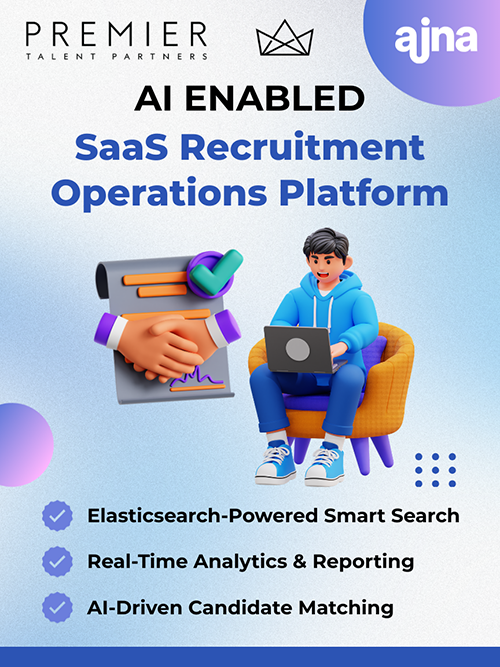
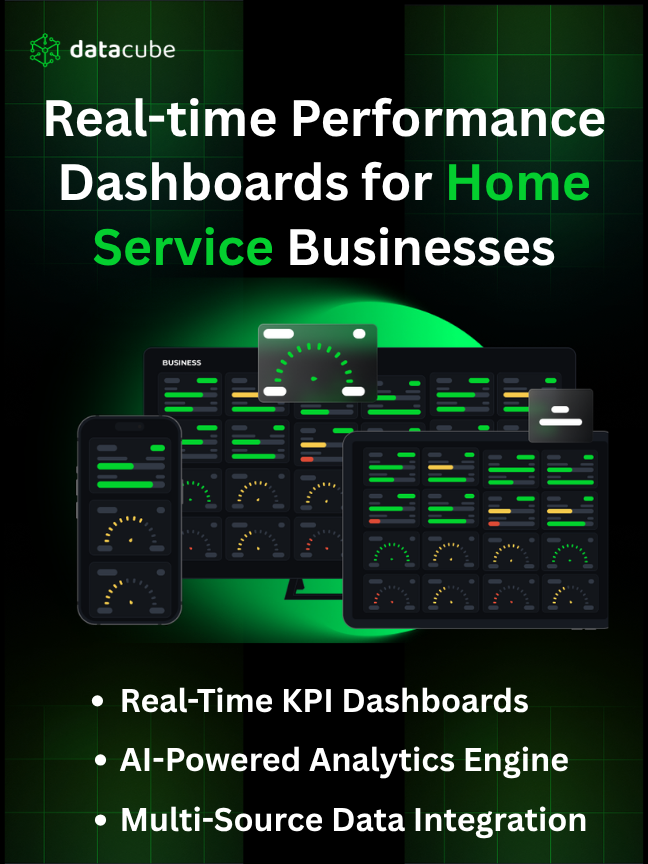

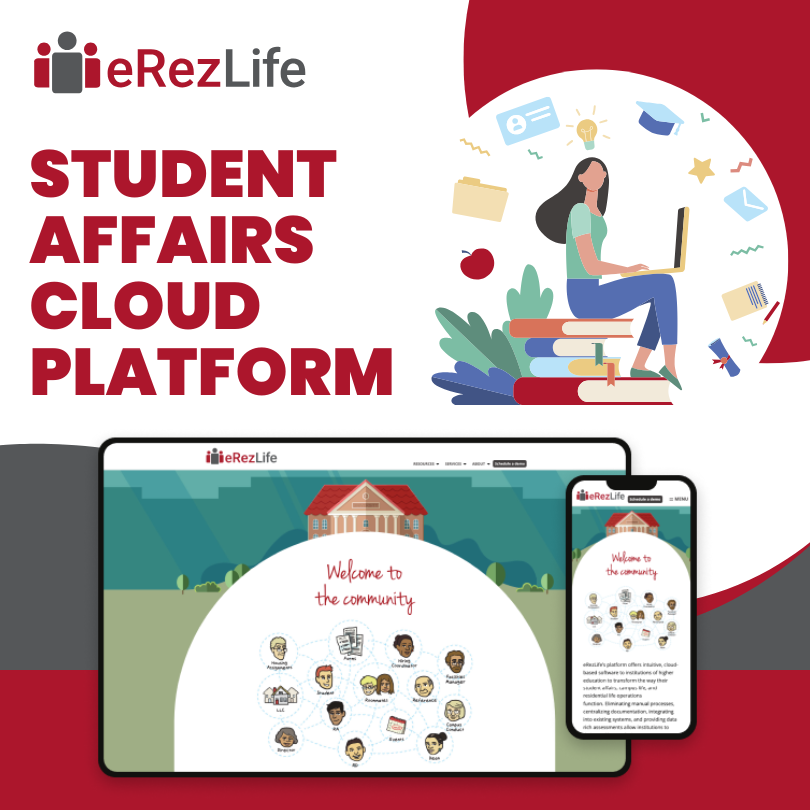
Unlock your business's potential with our expert feature ideation services - innovate, automate, and grow in today's competitive market landscape.
Uncover Answers to Your Custom Software Development Questions
Get answers to all your questions related to Custom Software Development services. If you still have queries, feel free to connect with us at sales@closeloop.com
Stay abreast of what's trending in the world of technology
How IoT Will Impact the Future of Custom Web Development and Web Design
IoT (Internet of Things) is one of the newest technologies that is quickly growing in...

Product Development From an Idea to Its Real Value
Idea generation is the first step in any new product development. The initial idea might seem...

How to Create User-Centric Enterprise UX Design Effectively?
Technology is a wave: either sail the boat or sink out. The enterprises focused on automating...

