Choosing an ERP system is a big step for any business. For a startup, it may be the next move after relying on spreadsheets and basic accounting tools. For an enterprise, it can mean replacing several systems that have supported operations for years.
Both can use NetSuite, but their implementation needs are not the same. A startup may want a simple system that can grow with the company. An enterprise may need to manage multiple departments, locations, subsidiaries, currencies, and complex workflows.
This is where NetSuite Implementation Services can make a difference. The right approach depends on the company's size, processes, data, technology, and long-term plans.
Startups Often Need a Clean Foundation
Startups commonly work with separate tools for accounting, sales, inventory, customer management, and reporting. At first, this may not feel like a problem. Then orders increase and the team grows.
Suddenly, employees are copying information between systems. Reports take longer to prepare. Small data errors become harder to find.
A NetSuite implementation can bring these processes into one environment. Startups can begin with the features they actually need and expand later as the business grows.
Enterprises Deal With Greater Complexity
Enterprise implementations usually involve a much larger technology environment. A company may already have separate systems for finance, CRM, eCommerce, inventory, warehouses, human resources, and reporting.
Replacing these systems is not simply a matter of installing NetSuite. The implementation team needs to understand how information moves between departments.
For example, where does an order begin? Which system stores customer information? Who approves purchases? How does financial data move between subsidiaries?
These questions help determine how NetSuite should be configured and connected.
Because of this complexity, NetSuite Implementation Services for enterprises often involve detailed planning across several business functions.
For businesses looking to make their ERP more flexible and scalable, custom NetSuite development can help tailor the platform to specific workflows, integrations, and growth requirements. Learn more about Custom NetSuite Development for a More Scalable ERP.
Data Migration Can Be a Major Difference
Every business needs to think carefully about data migration. Startups may have smaller datasets, but their records can still contain duplicate customers, incomplete product information, or inconsistent formats.
Enterprises often have years of historical information stored in multiple systems. One application may use different customer codes from another. Product records may also follow different naming rules.
Before migration begins, businesses should decide what needs to move, what needs cleaning, and what can be archived.
Testing is just as important. Nobody wants to discover after launch that customer records are missing or financial information has been transferred incorrectly.
Customization Depends on Business Needs
Startups may have more flexibility because their processes are still developing. They can often use standard NetSuite features without recreating every old workflow.
That can make the system easier to maintain. It can also keep the initial project more focused.
Enterprises may have established processes that have developed over many years. Some are necessary for compliance or daily operations. Others may simply exist because an older system required them.
This creates an important question. Does the old process really need to be rebuilt?
Customization can be valuable when standard features cannot meet a genuine business requirement. However, too much customization can make future maintenance harder.
Closeloop provides NetSuite implementation and customization support for businesses with different operational requirements. Its NetSuite implementation services cover areas including configuration, migration, integrations, testing, and ongoing support.
Choosing the right ERP approach depends on your business requirements, budget, scalability needs, and existing processes. Learn more about NetSuite implementation vs. custom ERP development to understand the key differences and considerations.
Integrations Become More Important as Companies Grow
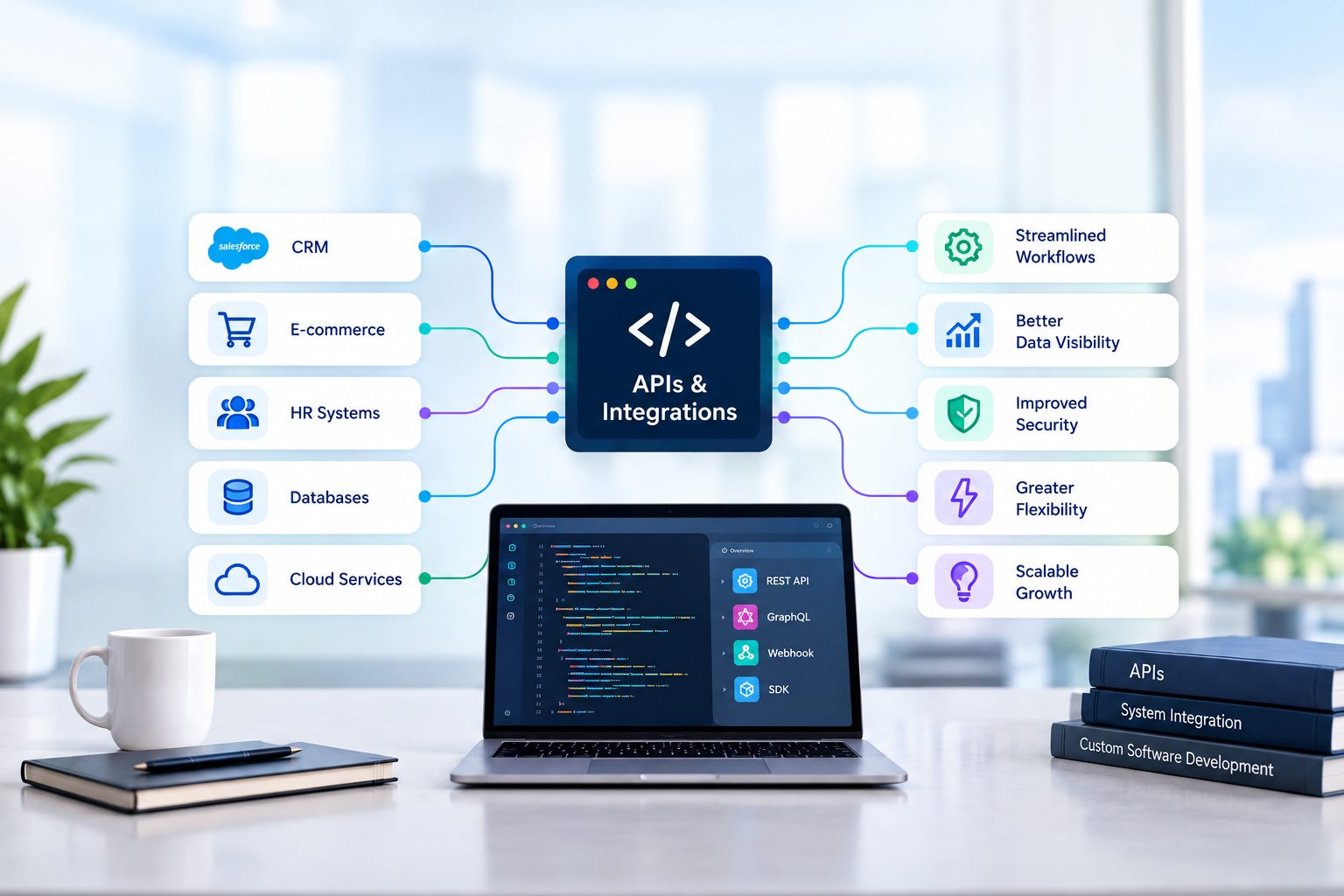
Modern businesses rarely operate with one system alone. NetSuite may need to connect with an eCommerce platform, CRM, payment system, warehouse software, or other applications.
A startup might only need a few important integrations. An online retailer, for example, may need order and inventory information to move between its store and ERP.
An enterprise may have many systems sharing information across departments and regions. Poorly planned integrations can lead to delays, duplicate work, and inconsistent data.
The aim is straightforward. Information should move between systems accurately without forcing employees to enter the same details again and again.
Also Read: How to Choose the Right NetSuite Implementation Partner
Testing Needs to Match the Business
Testing is important for every implementation, but enterprise projects usually have more scenarios to cover. A startup may test orders, invoices, payments, inventory updates, and reports. An enterprise may also need to test multiple entities, currencies, approval workflows, user permissions, integrations, and complex reporting.
User acceptance testing is particularly useful. Employees who handle daily transactions can often spot practical issues that technical teams may miss.
For example, a finance employee might find that a report does not provide the information needed for month-end closing. A warehouse user may discover that an inventory process takes too many steps.
Finding these problems before launch is much easier than fixing them afterward.
Budget and Timeline Depend on Scope
Startups often need to control implementation costs. A phased rollout can help by introducing essential functionality first and adding other features later.
Still, saving money by skipping proper planning or testing can create bigger expenses later.
Enterprise projects generally require more resources because they involve more users, systems, data, integrations, and stakeholders. They may also require extensive change management.
There is no universal timeline for NetSuite implementation. The duration depends on the modules, integrations, customization, migration requirements, and business complexity.
Both Need Future Growth in Mind
Although startups and enterprises face different challenges, both need an ERP that can support change. A startup may add employees, products, warehouses, customers, or sales channels. An enterprise may expand into new regions, acquire another company, or add new subsidiaries.
The implementation should account for these possibilities without trying to build every future feature immediately.
Good planning means solving today's problems while avoiding decisions that create unnecessary limitations tomorrow.
Effective integrations can help businesses connect NetSuite with other systems and streamline data across operations. Explore NetSuite integration services to learn how connected systems can improve business workflows.
Startup vs. Enterprise NetSuite Implementation
| Area | Startups | Enterprises |
|---|---|---|
| Main goal | Build a strong foundation | Coordinate complex operations |
| Data | Smaller datasets | Large historical records |
| Integrations | Usually fewer | Often numerous |
| Customization | Often limited | May be extensive |
| Users | Smaller teams | Large departments |
| Training | More centralized | Role-based |
| Testing | Core workflows | Complex scenarios |
| Rollout | Often focused | May span multiple business units |
Preparing for Implementation
Before starting, businesses should document their current processes and identify the problems they want NetSuite to solve. Key departments should be involved early. Teams should also review data quality, integration requirements, user roles, reporting needs, and long-term goals.
For startups, keeping the initial scope focused can prevent unnecessary complexity. For enterprises, strong communication and project governance can help keep a large implementation organized.
An experienced implementation partner can also support configuration, migration, integration, customization, testing, training, and post-launch needs.
Conclusion
Startups and enterprises can both benefit from NetSuite, but they should not approach implementation in exactly the same way. Startups generally need a practical foundation that can grow with the company, while enterprises often need to coordinate larger datasets, more users, multiple systems, and established processes. With the right planning and expertise, Closeloop can help businesses implement NetSuite in a way that aligns with their operational needs, growth plans, and long-term goals.
The right NetSuite Implementation Services approach should reflect these differences. With careful planning, clean data, sensible customization, reliable integrations, and proper training, businesses can build an ERP environment that supports both everyday work and future growth.
Author

Swetha GP

VP of Delivery
She is a VP of Delivery at Closeloop. A communicator, business analyst, and engineering aficionado. Besides handling client relations, and engineering duties, she loves to pour her thoughts on paper. She writes about engineering, technologies, frameworks, and everything related to the software domain. She reads, spends time with family, and enjoys a good walk in nature in her free time. Her dream destination is Greece.
FAQs About NetSuite Implementation Startups
Still evaluating NetSuite implementation partners? Connect with our experts to discuss your requirements and find the right fit. For any queries, reach out to sales@closeloop.com
Stay abreast of what's trending in the world of technology
When Standard NetSuite Workflows Fall Short: Implementation, Integration, and Customization...
NetSuite is one of the most capable cloud ERP platforms available, but no out-of-the-box...

From Business Bottlenecks to Digital Products: How to Evaluate Software Development Partners in the...
Every growing business eventually hits a wall. Spreadsheets multiply, teams re-enter the same...

The Hidden Cost of Disconnected Logistics Systems: A Software Architecture Approach to End-to-End...
A shipment leaves the warehouse on time, yet the customer calls twice asking where it is....

The Role of APIs and Integrations in Modern Custom Software Development
No application works alone anymore. Your CRM talks to your billing tool, your mobile app...